The first hour after a cyber incident is critical. You can liken this to the “golden hour” response time in cyber incident response. The truth is, this hour defines the actual cyber incident response timeline – because every second counts. The response team goes into emergency response mode as soon as this hour begins. The essential steps involved in this response hour are identifying the threat, validating it, and commencing containment. For example, this response hour should involve such items as:
- Confirm and triage: Assess alerts and logs to validate the incident.
- Assemble the Team: Alert security, IT, legal, and management.
- Isolate systems – quarantine infected computers or networks.
- Blocking network traffic: update firewall/IDS rules & kill the malicious process.
- Evidence preservation: Make disk and/or memory images and harvest log files.
- Communicate - update executives and stakeholders on all aspects.

Each step is then followed according to a predetermined playbook. The advantage of practicing these steps ahead of time is that when the alarm is raised, everyone is on the same page and understands exactly what needs to be done. For some firms, a SOC (Security Operations Center) is set up to monitor activities around the clock and address potential breaches early. A properly managed SOC ensures quicker response times from detection to reaction to intrusions, with intrusion identification occurring in minutes rather than days.
Understanding the Incident Response Lifecycle
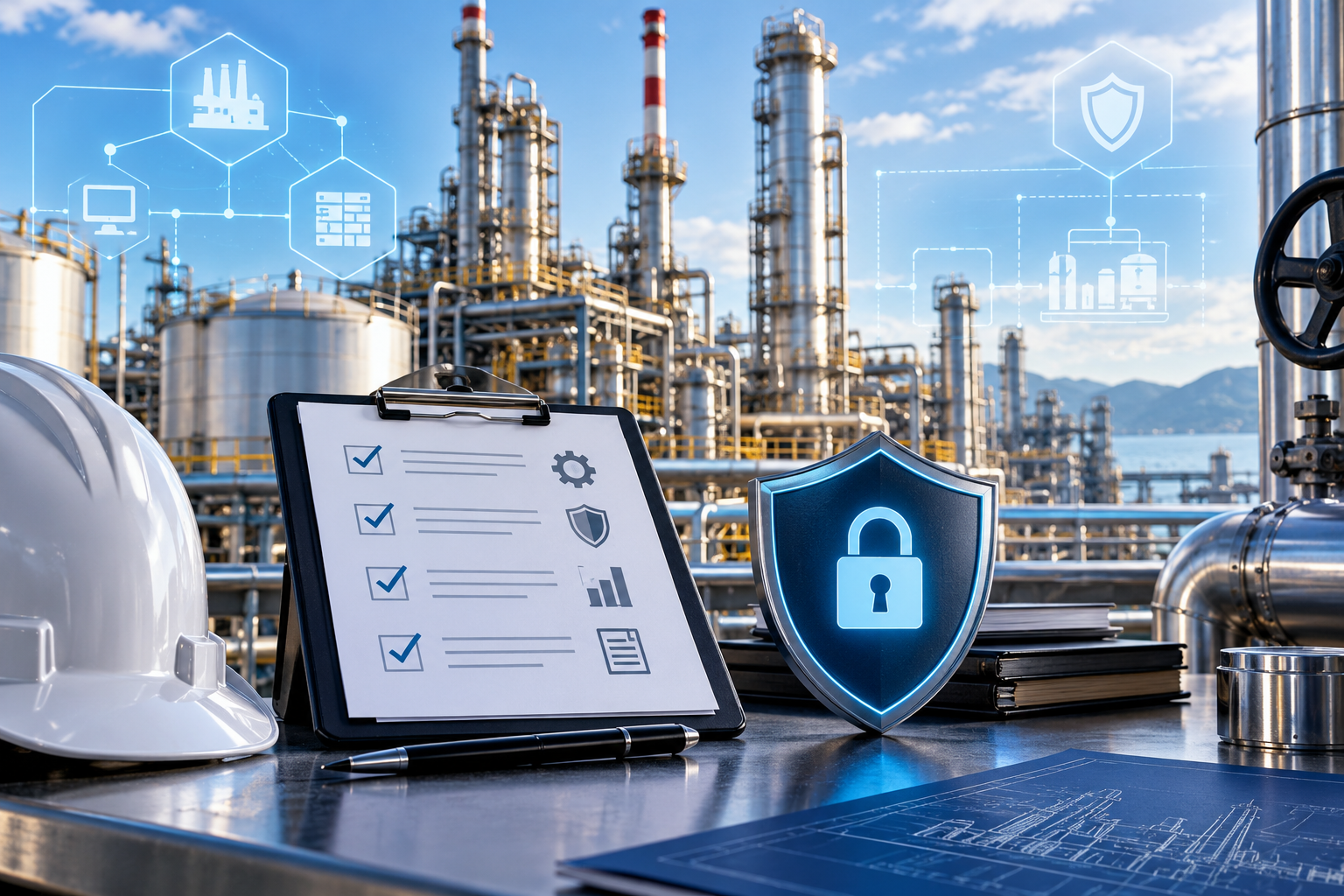
Incident response follows an established framework. A widely used NIST model breaks the process into four phases: Preparation; Detection and Analysis; Containment, Eradication, and Recovery; and Post-Event Activity. The emphasis is on being ready at all times. In practice, this means building an IR plan, a communication plan, and response-team roles before anything goes wrong. For example, organizations should formalize an IR policy approved by senior management and develop tailored playbooks for different breach scenarios.
During the Preparation phase (illustrated above), organizations conduct risk assessments, define likely attack scenarios, and assign cross-functional roles (e.g., IT, security, legal). In the Detection and Analysis phase, continuous monitoring and SIEM alerts help spot potential breaches. Once an incident is confirmed, responders move into the Containment phase (usually within the first 20–30 minutes) to isolate and limit the threat. Finally, the Recovery and Post-Event phases involve restoring systems and reviewing lessons learned.
The response action plans in Canada take international best practices into account while also meeting national needs. The government has a response plan, the Federal Cyber Incident Response Plan, to ensure a uniform response during major security breaches. As for a private organization, the response stages remain the same: Detect, triage, contain. However, in addition to these processes, a team is obligated to comply with national legislation such as PIPEDA.
Detection and Triage
The clock begins the moment something suspicious is detected. This could be an automated notice (e.g., "sudden increase in traffic") or a report from an employee of fishy activity. The initial steps are to verify the occurrence and assess its magnitude. Analysts roll up their sleeves to gather all the information related to the attack: the firewall and system logs, intrusion notices, and indicators of compromise. Analysis of security logs is paramount for determining what the hacker accomplished. However, the compilation of evidence continues as disks are imaged and memory dumps taken right at the scene. NIST strongly recommends this, and forensic software is to be available for this purpose.
After confirming the breach, the SOC or incident lead assesses severity. Is this an isolated malware incident, or something that could cripple key systems? Automated triage tools and threat intelligence help classify the event. If it's deemed critical (for example, ransomware affecting a database), built-in SOC escalation procedures trigger immediately, paging senior responders and executives. Atlassian emphasizes the importance of notifying stakeholders quickly to maintain trust. In practice, this means anyone who learns of the confirmed breach immediately alerts the rest of the team, ensuring no one is left in the dark.
Containment and Isolation
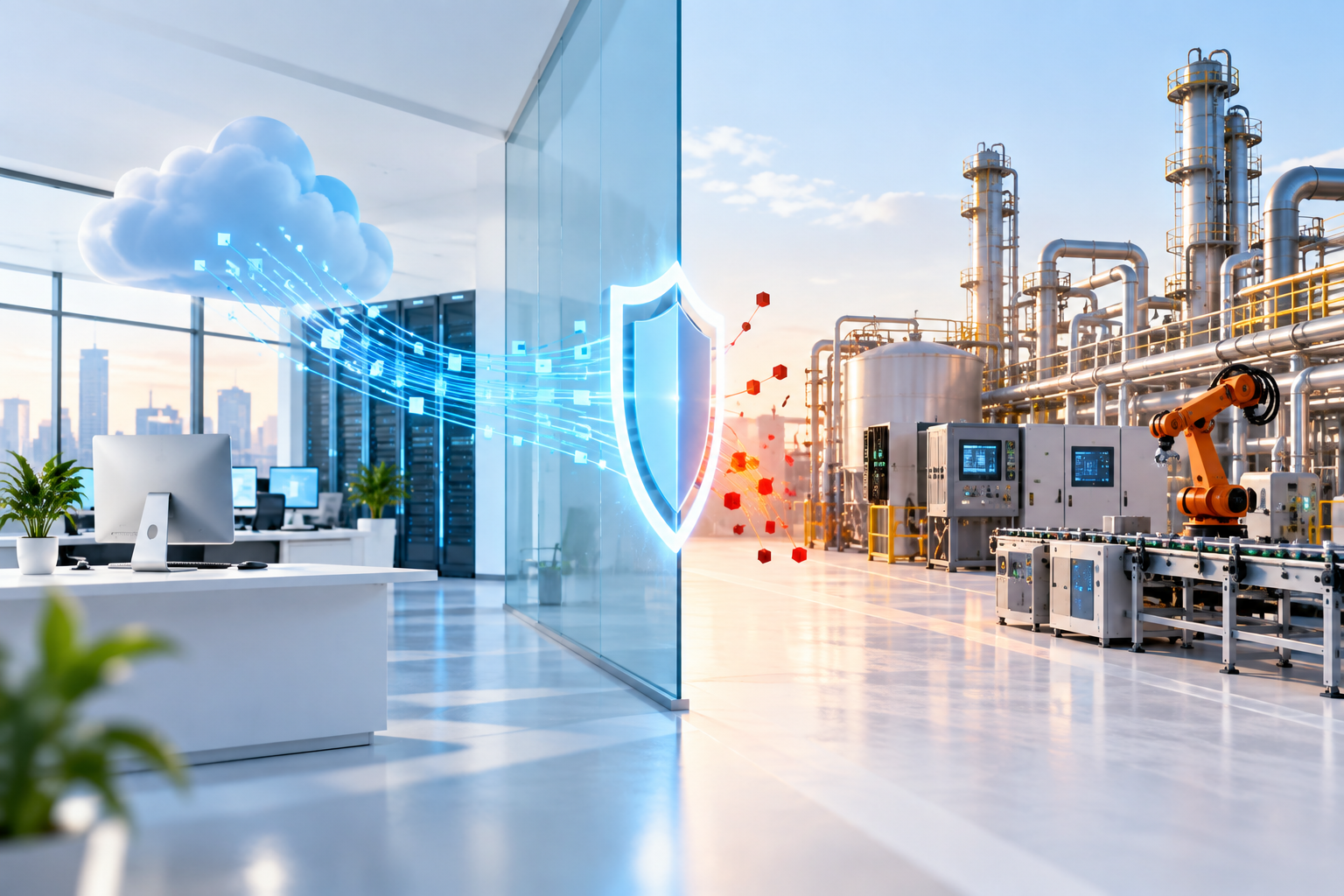
Once the incident is validated, the team shifts to containment. The goal is to halt the attacker and prevent further damage. A primary tactic is endpoint isolation procedures. Any machine confirmed or strongly suspected to be compromised is immediately disconnected from the network. Endpoint isolation commands typically sever most of the host's connections, effectively stopping the spread of malware.

At the same time, network-level containment measures are applied. Firewall or router rules are updated to block malicious IP addresses or domains identified in the attack. The Canadian Cyber Security Centre advises that an effective step may be to deactivate connectivity to affected systems, "blocking the threat actor from causing further damage". In practical terms, this could mean turning off a VPN gateway, shutting down a Wi-Fi network, or segmenting off a portion of the network.
Simultaneously, any malicious processes or sessions are terminated. IT staff kill ransomware processes, close unauthorized remote shells, and lock down compromised user accounts. However, full cleanup (such as restoring systems from backups or reinstalling software) is postponed. The first hour is about stabilization: stop data exfiltration and preserve evidence. All containment actions – ports closed, systems isolated – are documented for the incident record.
Evidence Collection and Analysis
While containment is underway, analysts continue to collect and examine data. They gather remaining logs from affected systems and network devices. Any suspicious files (malware samples or attacker tools) are copied to a secure repository. Network traffic analysis is key: it can reveal command-and-control domains, the exfiltration path, and the exact sequence of the attacker's actions.
The Infosec Institute notes that analyzing packet captures and logs can let investigators "recreate a blueprint of an attack". For example, traffic logs might show that an attacker first exploited a phishing email, then tunneled data out via an encrypted channel.
Preparation makes this analysis faster. Ideally, log data from across the organization flows into a central system (like a SIEM), so investigators can query it on demand. The Canadian guidance for critical infrastructure specifically recommends continuous logging of user actions to aid investigation.
This means analysts can run broad queries (for example, "show me all logins by user Alice" or "all traffic to 203.0.113.5") instead of manually collecting files from every device. Well-structured logging lets the team swiftly trace the attacker's path.
All the information gathered is entered into an incident timeline. NIST and Atlassian both emphasize keeping a robust incident timeline. In practice, this means updating the incident ticket or a shared document with each event (e.g., "10:05 – alert triggered on host 192.168.1.12; 10:06 – host isolated; 10:10 – blocked IP 203.0.113.5"). By the end of the first hour, the team should have a clear chronology of what happened and what was done. This timeline will be invaluable for post-incident reports and compliance reviews.
Communication and Coordination
Technical response runs parallel with communication. Many organizations immediately stand up a dedicated channel (secure chat or conference bridge) for incident updates. Atlassian advises focusing all incident communications in a single, well-known place so responders can coordinate effectively. Everyone involved in the response joins that channel to share status updates and decisions in real time.
Updates are tailored to the audience. Technical teams discuss the details, while executives get concise briefings on impact and next steps. Meanwhile, legal and PR teams may start drafting notifications or press statements if needed. Clear, timely communication builds trust and avoids confusion.
Security teams often automate escalations. When analysts confirm an incident, the ticketing or alert system can automatically notify higher-level responders. Atlassian describes workflows where responders are automatically "brought into the incident ticket", ensuring the right experts see the right alerts. This way, if the breach expands (for example, additional systems are affected), the relevant teams are looped in immediately.
Roles are then confirmed from the IR plan. One person (the Incident Commander) oversees the response, while others handle specific tasks (forensics, network controls, communications, legal, etc.). Having a predefined cross-functional incident response team makes this efficient. Seasoned responders liken their team to a racing pit crew: everyone knows their role, practice makes them fast, and any hesitation can cost precious time. In true racing style, a bit of steady focus and even (yes) some dry humor can keep everyone grounded under pressure.
Compliance and Notification (Canada)
Canadian organizations also have legal obligations during a breach. Under the Personal Information Protection and Electronic Documents Act (PIPEDA), if personal data is involved and the breach poses a real risk of significant harm, affected individuals and the Privacy Commissioner must be notified.
PIPEDA requires that notices be sent "as soon as feasible" after confirming the breach. This means that while technical teams are containing the incident, legal and compliance staff will assess whether notification is required and begin drafting communications.
PIPEDA also mandates the retention of records of all breaches (even minor ones) for at least 2 years. The detailed timeline and logs created from minute one serve this requirement. In a post-incident review, these records will demonstrate how quickly and thoroughly the organization responded. By documenting every action and decision, the team ensures it can answer any future regulatory inquiries.
Other sector-specific rules may apply. For instance, federally regulated banks and telecoms must report major incidents to their regulator and integrate cyber risk into their enterprise risk management. For most teams, however, the first 60 minutes are focused on stopping the attack. Detailed compliance reporting and notifications can follow once the threat is under control.
Critical Infrastructure and National Response
Owners of critical infrastructure (CI) face even higher stakes. In these sectors, quick containment can mean protecting lives and critical services. The Canadian Centre for Cyber Security recommends that CI organizations have incident response plans for their operational technology (ICS/SCADA) systems. Containment in this context may include physical actions, such as switching a power grid to manual mode or shutting down a pipeline valve to prevent damage. Meanwhile, IT staff isolate the affected control networks to stop the cyberattack at the source.

Public Safety Canada encourages the CI community to practice these scenarios. It sponsors exercises and threat-sharing programs for energy, utilities, transportation, and more. In a real incident at a water treatment plant, for example, operators might immediately secure water flows and notify public health authorities, while cyber teams focus on stopping the intrusion. The overarching principle is clear: protect people and critical operations first, then chase down the cyber threat.
Incident Response Readiness and Best Practices
None of the above succeeds without preparation. Incident response readiness requires planning, practice, and the right tools. Regular tabletop exercises are a best practice. In a tabletop drill, team members simulate a breach scenario and walk through each step of the response. These exercises often reveal gaps—perhaps a missing phone number or an untested procedure—that can be fixed before a real incident. After each exercise, the team updates the incident plan and playbooks based on lessons learned.
In addition, teams should maintain strong monitoring and automation. A well-tuned SOC and modern EDR/SIEM tools can significantly shorten response time. For example, EDR solutions often enable one-click endpoint isolation and automated forensic data collection. Incident response playbooks for common scenarios (ransomware, data exfiltration, DDoS, etc.) should be documented and tested in advance, ensuring responders follow proven steps rather than improvising.
Support from management is important too. Officers in management should analyze and endorse the IR strategy, allocate resources for security software and staff, and participate in the simulation. The Federal Cyber Incident Response Plan emphasizes that good governance, or roles and structure, is a key element. When the management is serious about incident response, decisions involving incident response—such as calling on external resources in emergencies—become immediate. Preparedness is everyone’s business.
Frequently Asked Questions:
1. What should be done first during a cybersecurity incident?
The first step is verification and triage. Security teams must confirm whether the alert represents a real incident, identify affected systems, and assess severity. This enables fast containment decisions and prevents unnecessary disruption.
2. Why are the first 60 minutes of incident response so critical?
The first hour determines whether an attack is contained or escalates into a major breach. Rapid isolation of compromised systems, early threat identification, and clear communication significantly reduce business impact, data loss, and recovery costs.
3. Who should be involved in the initial incident response?
A cross-functional incident response team should be activated immediately. This usually includes the SOC, IT operations, cybersecurity analysts, legal counsel, compliance officers, communications teams, and executive leadership.
4. How does incident response differ in Canada compared to other countries?
While technical response steps are similar globally, Canadian organizations must comply with PIPEDA breach notification obligations and sector-specific regulatory timelines. Critical infrastructure organizations also follow federal cyber response coordination frameworks.
5. When must Canadian organizations notify authorities of a breach?
Under PIPEDA, organizations must notify the Office of the Privacy Commissioner of Canada and affected individuals as soon as feasible if a breach poses a real risk of significant harm.
6. What is endpoint isolation, and why is it important?
Endpoint isolation disconnects compromised devices from the network to stop malware spread, lateral movement, and data exfiltration. It’s one of the fastest and most effective containment actions in the first hour.
7. How does a SOC improve incident response speed?
A Security Operations Centre provides continuous monitoring, alert triage, and automated escalation. This shortens detection-to-response time and enables faster containment.
8. What tools are essential for first-hour incident response?
Key tools include SIEM platforms, endpoint detection and response (EDR), forensic imaging utilities, network traffic analyzers, and secure communication channels for responders.
9. What are tabletop incident response exercises?
Tabletop exercises simulate cyber incidents in a controlled setting. Teams walk through response decisions, uncover gaps in plans, and improve coordination before real incidents occur.
10. How can organizations improve their first-hour incident response readiness?
They should maintain tested playbooks, conduct regular tabletop exercises, ensure centralized logging, define escalation paths, and train both technical teams and executives on their roles during a breach.
Sources:
- https://nvlpubs.nist.gov/
- https://www.priv.gc.ca/
- https://www.osfi-bsif.gc.ca/en
- jumpcloud.com
- What Is Endpoint Isolation? - JumpCloud
- Endpoint isolation is a critical security measure that immediately disconnects a compromised or suspicious host from the internal network. It maintains a connection to security management tools for investigation. This immediate segmentation is a key part of the incident response process, designed to contain the spread of malware, ransomware, or an active attacker.
- nvlpubs.nist.gov